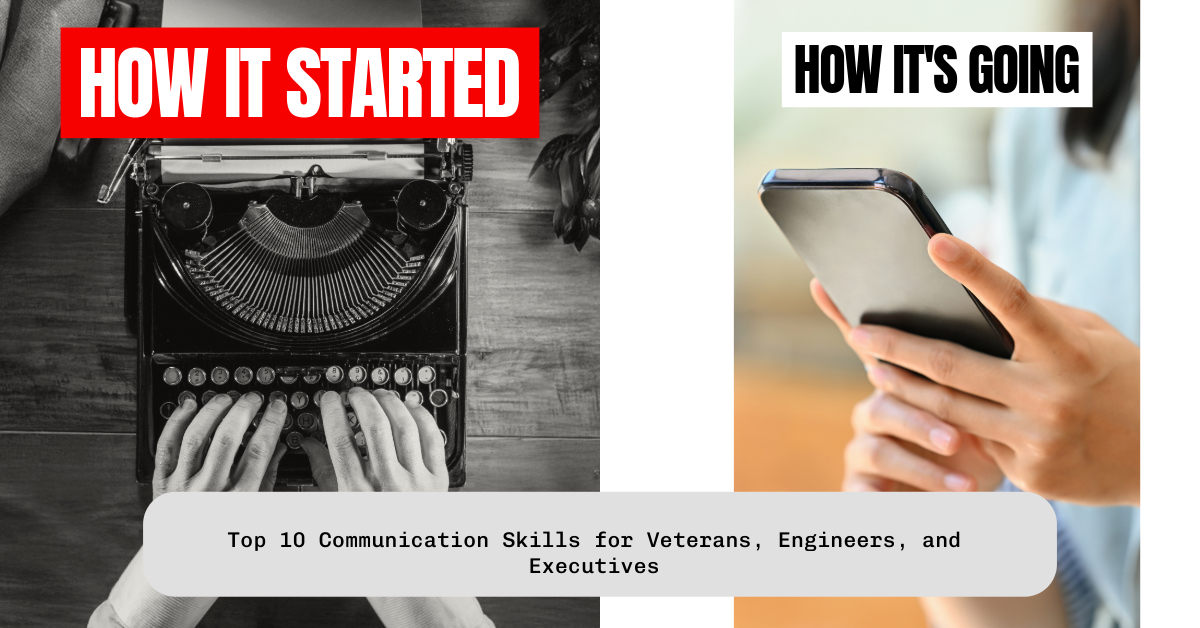

In the evolving landscape of engineering and technology, technical communication emerges as a crucial skill for conveying complex ideas clearly and effectively. For veterans transitioning into engineering roles and engineers aspiring to leadership positions, mastering technical communication is essential for bridging the gap between technical expertise and effective collaboration. This article explores the importance of technical communication, its benefits, and practical strategies to develop this skill, with a focus on coaching veterans and engineers.
Understanding Technical Communication
Technical communication involves conveying complex information in a clear and accessible manner to diverse audiences. It requires clarity, precision, and the ability to translate technical jargon into understandable language. For veterans and engineers, who often work in technical and high-stakes environments, technical communication can significantly impact project outcomes, team dynamics, and career advancement.
The Importance of Technical Communication for Veterans
Veterans bring a wealth of experience and leadership skills to the civilian workforce, but transitioning from a military to a civilian career can present communication challenges. Technical communication helps veterans effectively navigate these challenges by translating their skills and experiences into civilian terms.
Key benefits of technical communication for veterans include:
- Career Advancement: Strong technical communication skills can lead to new opportunities and career growth in civilian roles.
- Building Credibility: Clear and precise communication fosters trust and credibility within teams and with stakeholders.
- Facilitating Transition: Technical communication aids in adapting to new environments and roles, facilitating a smoother transition from military to civilian careers.
The Role of Technical Communication in Engineering
Engineers often collaborate on complex projects and present technical information to diverse audiences. Technical communication is a critical skill that enhances their ability to convey complex ideas, collaborate effectively, and lead teams.
Key benefits of technical communication for engineers include:
- Improved Collaboration: Clear communication fosters a collaborative work environment and enhances team dynamics.
- Effective Leadership: Engineers aspiring to leadership roles can use technical communication to inspire and motivate their teams.
- Enhanced Client Relations: Effective communication with clients leads to better project outcomes and customer satisfaction.
Strategies for Developing Technical Communication Skills
- Know Your Audience: Tailor your communication to the needs and understanding of your audience. Consider their level of technical knowledge and adjust your language and explanations accordingly.
- Simplify Complex Information: Break down complex ideas into simpler components. Use analogies, visuals, and examples to make technical information more accessible.
- Use Clear and Concise Language: Avoid jargon and technical terms unless necessary. Use clear and concise language to convey your message effectively.
- Practice Active Listening: Engage with your audience by listening to their questions and feedback. Use their input to refine your communication approach.
- Incorporate Visuals: Use diagrams, charts, and other visual aids to supplement your communication. Visuals can help illustrate complex ideas and enhance understanding.
- Seek Feedback: Encourage feedback from colleagues and clients on your technical communication skills. Use their input to improve and grow.
- Engage in Continuous Learning: Stay updated on industry trends and best practices in technical communication. Attend workshops, webinars, and training sessions to enhance your skills.
Coaching Veterans and Engineers in Technical Communication
Coaching programs tailored for veterans and engineers can play a pivotal role in developing technical communication skills. These programs should focus on:
- Customized Training: Addressing the unique communication challenges faced by veterans and engineers through targeted workshops and exercises.
- Mentorship Opportunities: Pairing participants with experienced mentors who can provide guidance and feedback on technical communication practices.
- Real-World Scenarios: Incorporating simulations and role-playing exercises that mimic real-world situations to practice technical communication in a safe environment.
- Continuous Feedback: Providing ongoing feedback and support to reinforce learning and encourage skill development.
Conclusion
Technical communication is a powerful tool that can transform the way veterans and engineers communicate and lead. By mastering this skill, they can enhance collaboration, improve project outcomes, and drive innovation in their respective fields. As the demand for effective communication continues to grow, investing in technical communication skills will undoubtedly yield significant returns for individuals and organizations alike.
For veterans transitioning to engineering roles and engineers aspiring to leadership positions, technical communication is not just a skill—it’s a pathway to success. By embracing this practice, they can unlock their full potential and make a lasting impact in their careers and communities. By focusing on technical communication, veterans and engineers can enhance their communication abilities, paving the way for successful transitions and leadership opportunities. Whether you’re a veteran entering the engineering field or an engineer looking to advance your career, mastering technical communication is a crucial step toward achieving your goals.