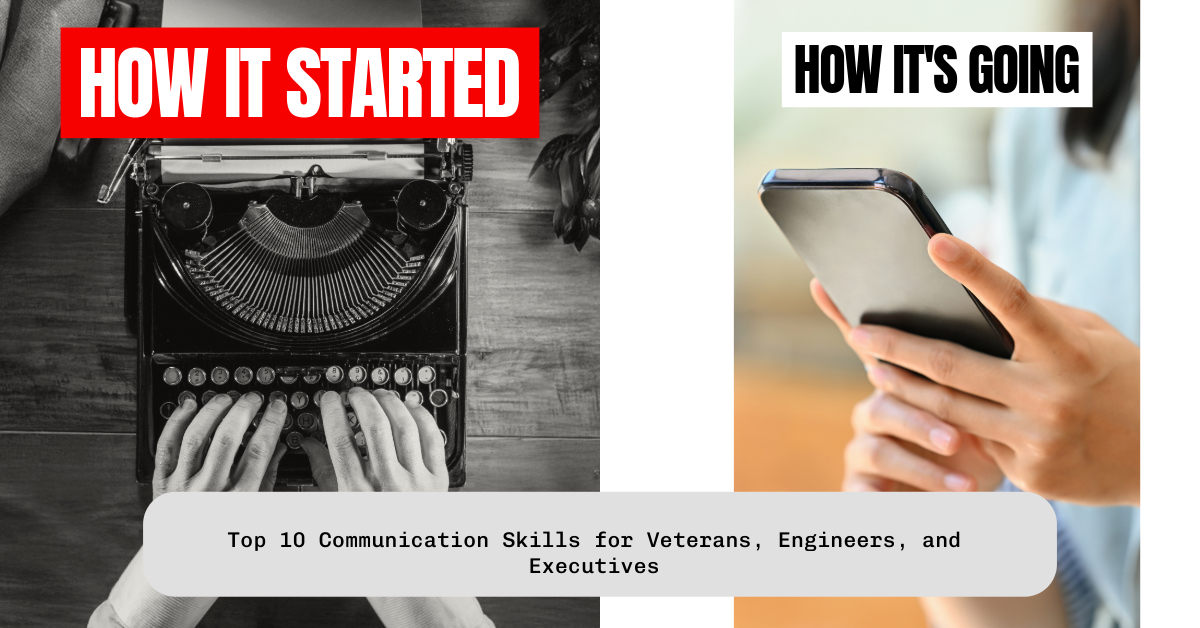

In today’s fast-paced and interconnected world, effective communication is more important than ever. For veterans transitioning into engineering roles and engineers aspiring to leadership positions, mastering the art of active listening is a crucial skill that can significantly enhance career prospects and foster meaningful relationships. This article delves into the importance of active listening, its benefits, and practical strategies to develop this skill, with a focus on coaching veterans and engineers.
Understanding Active Listening
Active listening is more than just hearing words; it’s about fully engaging with the speaker, understanding their message, and responding thoughtfully. This skill involves paying attention to verbal and non-verbal cues, asking clarifying questions, and providing feedback that demonstrates comprehension. For veterans and engineers, who often work in high-stakes environments, active listening can lead to better decision-making, improved team dynamics, and successful project outcomes.
The Importance of Active Listening for Veterans
Veterans possess a unique set of skills and experiences that make them valuable assets in the engineering field. However, transitioning from a military to a civilian career can present communication challenges. Active listening helps veterans bridge this gap by fostering understanding and collaboration with colleagues from diverse backgrounds. It enables them to leverage their leadership skills effectively and adapt to new environments.
Key benefits of active listening for veterans include:
- Building Trust: Demonstrating genuine interest in others’ perspectives fosters trust and respect, essential for effective teamwork.
- Enhancing Problem-Solving: By understanding different viewpoints, veterans can identify innovative solutions to complex challenges.
- Facilitating Adaptation: Active listening aids in understanding organizational culture and adapting to civilian work environments.
The Role of Active Listening in Engineering
Engineers are often tasked with solving complex problems and leading multidisciplinary teams. Active listening is a critical skill that enhances their ability to communicate technical concepts clearly and collaborate effectively. It ensures that all team members are on the same page, reducing the risk of misunderstandings and errors.
Key benefits of active listening for engineers include:
- Improved Collaboration: Listening actively to team members’ ideas and concerns fosters a collaborative work environment.
- Effective Leadership: Engineers aspiring to leadership roles can use active listening to inspire and motivate their teams.
- Enhanced Client Relations: Understanding client needs and expectations through active listening leads to better project outcomes and customer satisfaction.
Strategies for Developing Active Listening Skills
- Practice Mindfulness: Being present in the moment and focusing on the speaker without distractions is the foundation of active listening. Mindfulness exercises, such as meditation, can help improve concentration and attentiveness.
- Ask Open-Ended Questions: Encourage dialogue by asking questions that require more than a yes or no answer. This approach demonstrates interest and invites the speaker to share more information.
- Reflect and Summarize: Periodically reflect on what the speaker has said and summarize key points to ensure understanding. This technique also shows that you value their input.
- Avoid Interrupting: Allow the speaker to finish their thoughts before responding. Interruptions can disrupt the flow of conversation and hinder understanding.
- Provide Feedback: Offer constructive feedback that acknowledges the speaker’s message and provides your perspective. This exchange promotes mutual understanding and respect.
- Observe Non-Verbal Cues: Pay attention to body language, facial expressions, and tone of voice. These cues provide valuable insights into the speaker’s emotions and intentions.
- Practice Empathy: Put yourself in the speaker’s shoes to understand their feelings and perspectives. Empathy fosters deeper connections and enhances communication.
Coaching Veterans and Engineers in Active Listening
Coaching programs tailored for veterans and engineers can play a pivotal role in developing active listening skills. These programs should focus on:
- Customized Training: Addressing the unique communication challenges faced by veterans and engineers through targeted workshops and exercises.
- Mentorship Opportunities: Pairing participants with experienced mentors who can provide guidance and feedback on active listening practices.
- Real-World Scenarios: Incorporating simulations and role-playing exercises that mimic real-world situations to practice active listening in a safe environment.
- Continuous Feedback: Providing ongoing feedback and support to reinforce learning and encourage skill development.
Conclusion
Active listening is a powerful tool that can transform the way veterans and engineers communicate and lead. By mastering this skill, they can build trust, enhance collaboration, and drive innovation in their respective fields. As the demand for effective communication continues to grow, investing in active listening will undoubtedly yield significant returns for individuals and organizations alike.
For veterans transitioning to engineering roles and engineers aspiring to leadership positions, active listening is not just a skill—it’s a pathway to success. By embracing this practice, they can unlock their full potential and make a lasting impact in their careers and communities.
By focusing on active listening, veterans and engineers can enhance their communication abilities, paving the way for successful transitions and leadership opportunities. Whether you’re a veteran entering the engineering field or an engineer looking to advance your career, mastering active listening is a crucial step toward achieving your goals.