The Productivity Paradox
Complexity Kills
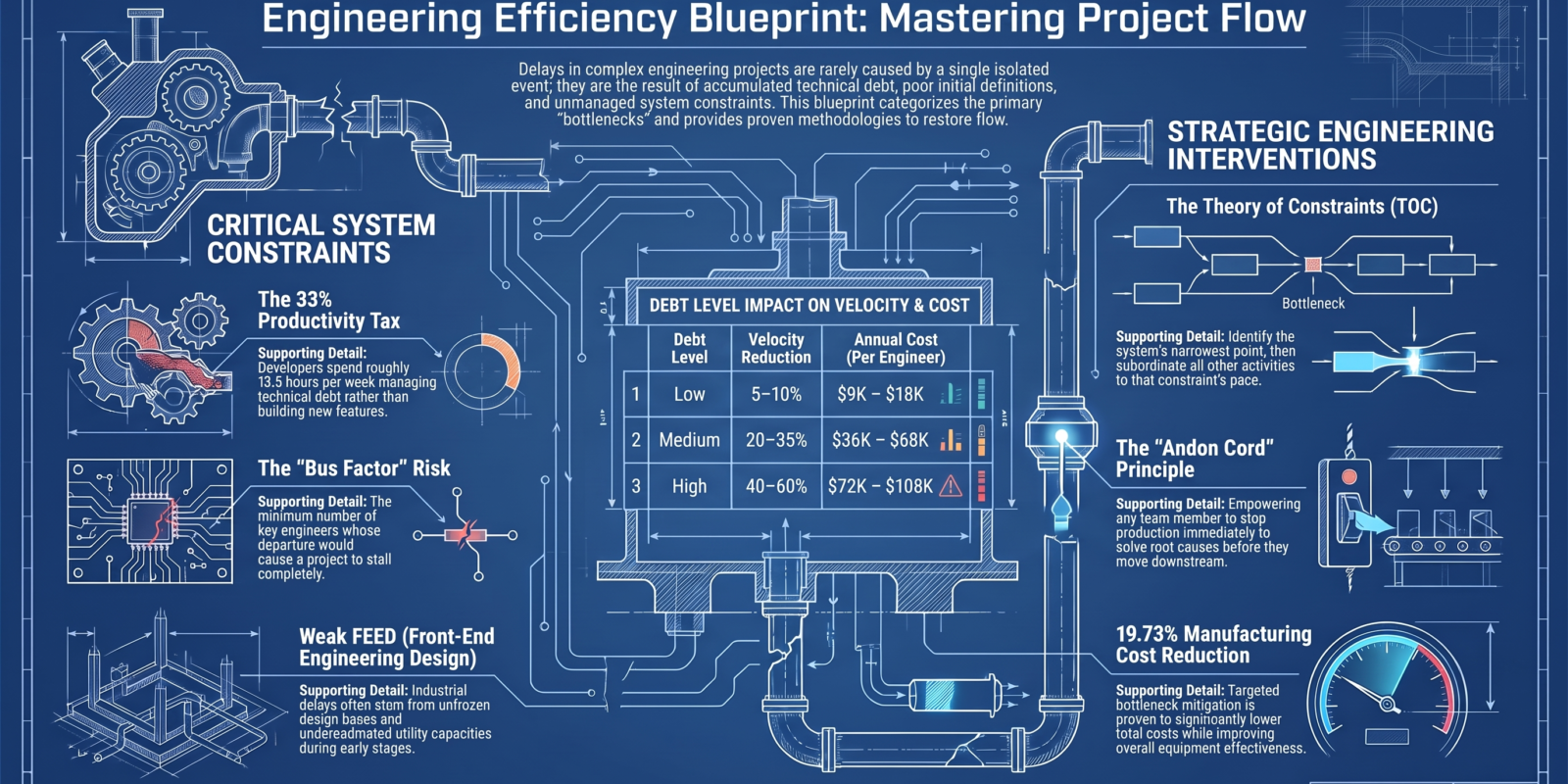
In complex systems architecture, we often observe a phenomenon where individual resource utilization is at an all-time high, yet systemic latency increases. Teams appear to be producing more than ever, yet the critical path remains stagnant and the “ship date” recedes. This is the Productivity Paradox. To resolve this, we must look to the Theory of Constraints . In any multi-stage production system, the global throughput is dictated solely by the bottleneck—the component with the lowest capacity. A counter-intuitive truth of systems engineering is that increasing the efficiency of a non-bottleneck component does not merely fail to help; it actively degrades the system. By accelerating upstream production without expanding the true constraint, you generate a “work-in-progress” (WIP) pile-up that overwhelms the system’s validation gates, resulting in compounding delays.
AI is Breaking the Code Review (The Speed Trap)
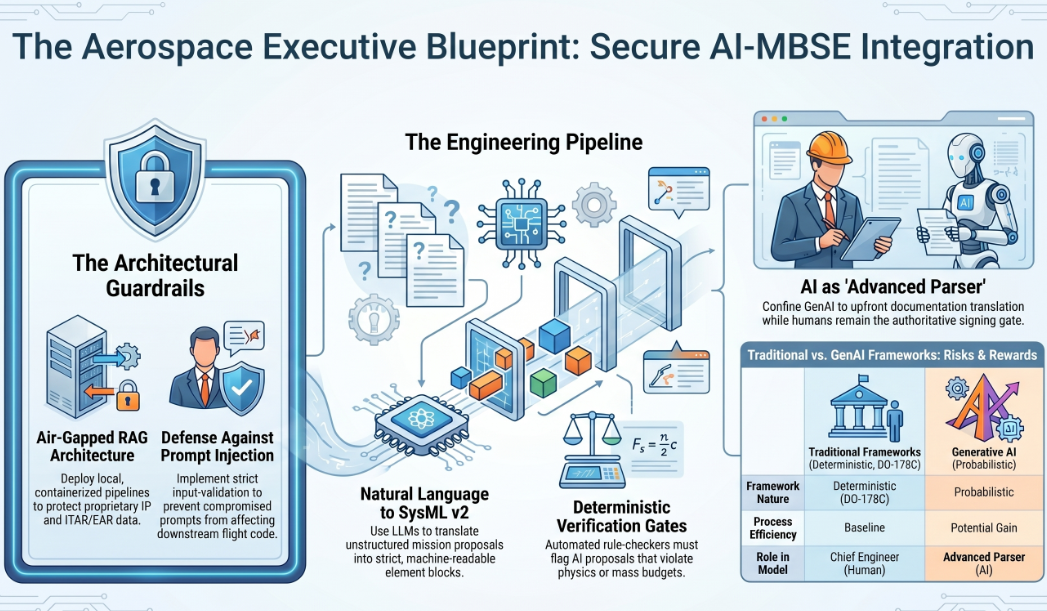
The integration of Large Language Models (LLMs) into the development lifecycle has created a massive imbalance between code production and validation capacity. While AI-assisted workflows allow for a high frequency of feature branch creation, the capacity for human and deterministic scrutiny has remained relatively static. The CircleCI 2026 State of Software Delivery report provides a stark look at this imbalance. While overall throughput across organizations grew by 59%, the feature branch activity for the median team increased by only 15%—the massive surges are concentrated in “elite” high-performers, while the median team’s main-branch throughput actually fell. This discrepancy highlights a fundamental failure in the merge pipeline: AI produces “plausible” code that often appears syntactically correct but contains subtle architectural mismatches or logic errors. This requires higher human scrutiny, not less. “The bottleneck has moved from writing code to deciding whether code is safe to merge. “The architectural solution is the implementation of deterministic enforcement. While AI review is probabilistic and prone to “hallucinated” correctness, systems architects must rely on automated guardrails—linting, SAST, and complexity thresholds—to block non-compliant code before it ever reaches a human reviewer.
Construction Delays are Actually Design Failures
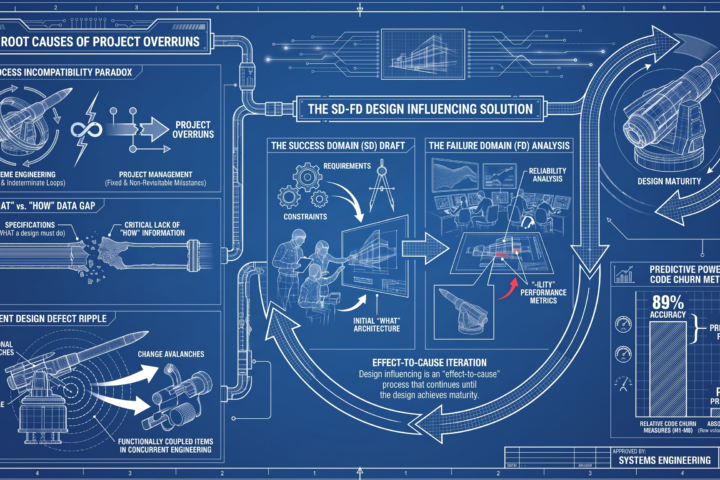
In industrial plant design, a common misconception is that project slippage is a failure of construction execution. However, data from industrial hubs like Singapore and Indonesia reveals that the majority of delays are latent defects from the Front-End Engineering Design (FEED) phase. A “Weak FEED” package creates systemic instability in three critical areas:
- Fluid Design Basis: Failure to freeze the operating philosophy or battery limits early, leading to downstream redesign.
- Utility Capacity Underestimation: Probabilistic errors in calculating power demand, cooling water, or wastewater requirements that force late-stage infrastructure changes.
- Unstable Equipment Lists: Incomplete inventories that necessitate late adjustments to piping classes and structural foundations.The architect’s fix is not to “work faster” during installation, but to enforce a rigid technical basis freeze. For brownfield projects, utilizing 3D laser scanning for site verification is essential. It replaces the high latency and inaccuracy of manual measurements with a digital twin, ensuring that field fit-up adjustments do not stall the construction sequence.
Your Most Valuable Developer Might Not Be Writing Code
We frequently measure technical resilience using the Bus Factor —the minimum number of engineers who must leave before a project enters a state of systemic failure. Traditional project management metrics, such as commit counts found in Version Control Systems (VCS), are insufficient for identifying these critical nodes. Knowledge is often distributed through non-coded channels: architectural reviews, cross-functional meetings, and strategic mentorship. Senior engineers serve as the primary conduits for this institutional memory, often producing fewer lines of code while maintaining the highest levels of system-wide context. Furthermore, we must account for Knowledge Decay. Technical understanding is not a permanent asset; it is a transient one.
Intuition is the Enemy of Usable Design
Cognitive challenges occur when the operational demand of a product exceeds the user’s mental model. A quintessential example is the microwave interface documented in recent engineering design reviews. While the sensory-motor aspects are sound—the text is legible and buttons are tactile—the interface fails because the operational sequence is non-intuitive. This “Communication Gap” persists because designers often substitute rigorous interdisciplinary cognitive science with personal intuition. This leads to “insufficient design” where the mental model required to operate the system is too complex for the user to reconstruct. Architects must apply three core Cognitive Design Principles:
- Direct Initial Instruction: Integrating worked-out examples or “on-rails” guidance within the interface.
- Expertise Adaptation: Designing interfaces that scale with the user’s growing competence.
- Small Knowledge Deltas: Limiting the volume of information change to prevent cognitive overload.
The “Silo” Effect is the Ultimate Manufacturing Bottleneck
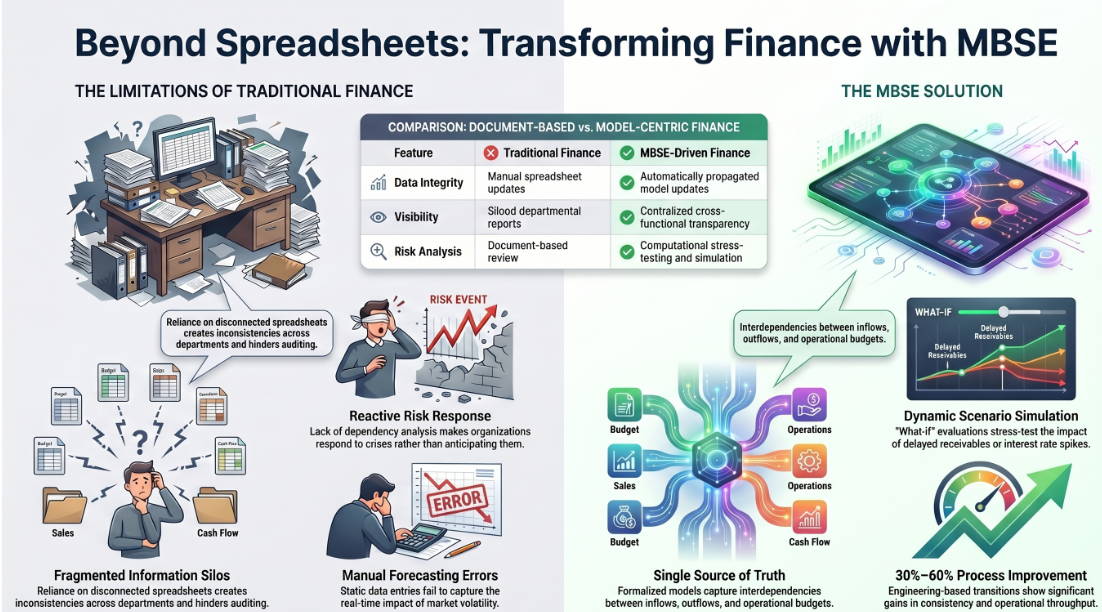
In modern manufacturing, bottlenecks have transitioned from mechanical constraints to informational ones. The primary barrier to throughput is no longer a slow machine; it is the siloed data source. When design, procurement, and facility data are disconnected, the system suffers from high latency in routine decision-making. The “Silo Effect” prevents the identification of facility-specific patterns that could lead to optimization. The solution lies in integrated software solutions that bridge these gaps. By connecting disparate data streams and applying machine learning, systems can automate routine decision-making and provide contextual recommendations. This shifts the bottleneck from manual data reconciliation to a high-speed, automated insight model, ensuring that information flows as fast as the physical materials on the floor.
Moving the Needle
Successful project delivery—whether in a software repository or an industrial plant—is determined long before the final validation gate. It is a product of disciplined project definition and the rigorous enforcement of systemic standards. While automated baseline checks and deterministic guardrails provide the necessary support for high-volume output, ultimate accountability remains a human function. As leaders and architects, we must look beyond the individual activity of the worker and analyze the architecture of the process itself.
By,
Chandler Archuleta, MBA. CISSP, CEH, PSM